Work permits for the Netherlands: A guide for international employees
Author: MovePlus Research Desk
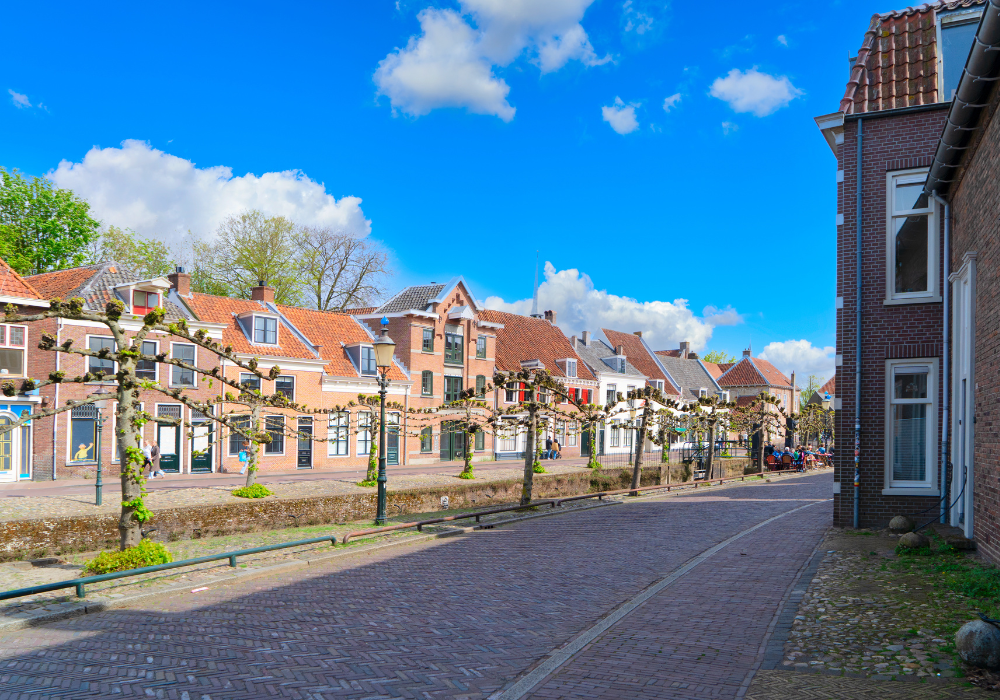
The Netherlands offers a streamlined immigration system designed to attract international talent, particularly highly skilled professionals. For employees relocating to the Netherlands for corporate assignments, understanding the available work permit pathways is critical to ensuring compliance and a smooth transition.
Dutch immigration law distinguishes between EU and EEA nationals (who do not require permits) and third-country nationals (who require specific authorisations). This guide focuses on the primary routes available to skilled professionals joining Dutch employers or transferring to Dutch offices.
For a comprehensive overview of how visa and work permit requirements apply across corporate mobility programmes, see our HR guide to visa and work permit requirements for corporate employees.
While your employer and recognised sponsor handle the legal and administrative aspects of your permit, this resource provides practical context on what to expect during the application process.
For a broader look at what life in the Netherlands looks like for relocating professionals beyond the visa process, see our guide on living in the Netherlands as an expat.
Highly Skilled Migrant permit
The Highly Skilled Migrant (HSM) scheme is the most common pathway for qualified professionals relocating to the Netherlands. This combined work and residence permit is available to employees earning above defined salary thresholds and working for a recognised sponsor.
To qualify, your employer must be registered as a recognised sponsor with the Dutch Immigration and Naturalisation Service (IND), and you must meet the minimum gross monthly salary requirements (which vary by age and are updated annually). The role must be full-time or substantively equivalent.
The HSM permit is typically issued for the duration of the employment contract plus three months, up to a maximum of five years. Processing times are expedited compared to other permit categories, often completed within two weeks if all documentation is in order.
Highly Skilled Migrant permit holders benefit from the 30% ruling (a tax advantage for qualifying employees), access to permanent residence after five years, and immediate work authorisation for spouses and registered partners. For a detailed guide on how expatriate tax compliance works across jurisdictions, including the Netherlands, see our expatriate tax compliance guide.
Intra-corporate transfer directive permit
The ICT Directive permit is designed for employees transferring from a foreign office to a Dutch branch, subsidiary, or affiliate within the same corporate group. This permit is aligned with EU Directive 2014/66/EU and applies to managers, specialists, and graduate trainees.
To qualify, you must have worked for the company abroad for at least three to six months (depending on role) immediately prior to the transfer. The Dutch entity must be a recognised sponsor and have a qualifying relationship with the foreign entity.
ICT permit holders benefit from mobility rights within the EU under certain conditions for how this works in neighbouring jurisdictions, see our guides on work permits for Germany and work permits for France. Holders benefit from mobility rights within the EU under certain conditions and streamlined application procedures.
Orientation year permit for highly educated persons
Graduates from top-ranking universities or Dutch educational institutions may apply for an Orientation Year permit, which allows up to one year to search for employment or start a business in the Netherlands. While not a direct employment permit, this route can transition to an HSM permit once employment is secured.
This permit is particularly relevant for recent graduates joining Dutch employers after completing degrees abroad.
Application process and timeline
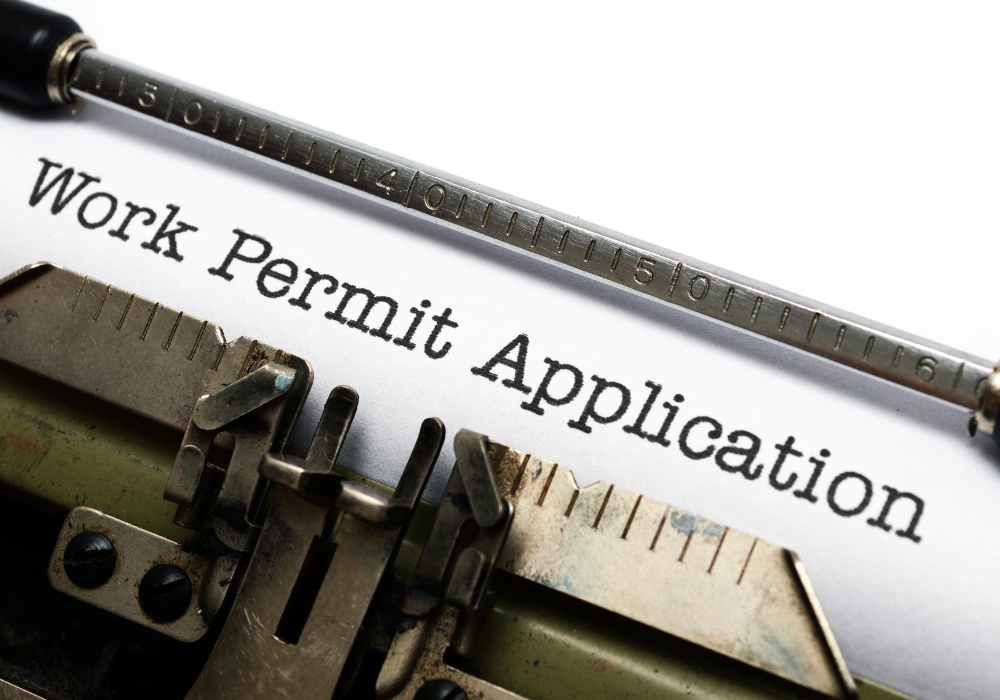
Work permit applications for the Netherlands are submitted by the sponsoring employer (the recognised sponsor) to the IND. The employee does not submit the application directly. Once approved, the employee collects their residence permit sticker from the Dutch embassy or consulate in their home country.
Processing times for HSM permits are typically two weeks if submitted correctly. Other permit categories may take eight to twelve weeks. Upon arrival in the Netherlands, permit holders must register with the local municipality and collect their residence permit card.
For a full framework covering how organisations manage international employee moves from assignment structuring through to arrival, see our guide on how to move employees from one country to another.
Family reunification and dependent permits
Spouses, registered partners, and minor children of work permit holders are eligible for dependent residence permits. Partners of HSM permit holders are automatically granted work authorisation without additional approvals, making the Netherlands particularly attractive for dual-career families. For a destination-by-destination breakdown of family considerations, see our guide on best countries for expat families.
Dependent permit applications are typically submitted alongside or shortly after the primary application. Processing times are comparable to the main permit category.
For a detailed breakdown of how dependent visa applications work and what rights dependants hold in the host country, see our guide on what happens to your dependent’s visa when you relocate for work.
Compliance and residence obligations
All residence permit holders must register with the local municipality (gemeente) within five days of arrival. This registration is mandatory and required to access healthcare, open bank accounts, and obtain a BSN (citizen service number).
Work permits in the Netherlands are tied to a specific employer. Changing employers requires a new permit application by the new sponsor. HSM permit holders have some flexibility but must ensure continuous compliance with salary thresholds and sponsor requirements.
Health insurance is mandatory for all residents. Employer-sponsored relocations typically include health insurance arrangements, but employees should verify coverage independently.
MovePlus support
MOVEPLUS™ centralises relocation data, enabling organisations to manage and track key information such as visa documentation, validity dates, expirations, and renewal timelines, where provided by immigration partners.
By bringing this information into a single secure platform, HR and mobility teams gain visibility into critical milestones, including petition progress, timelines, and deadlines. The platform also facilitates coordination across all stakeholders, ensuring updates are shared, tasks are monitored, and timelines remain on track.
For organisations reviewing how their mobility programme handles Netherlands-specific compliance and permit coordination, our consultancy services team works with HR and mobility leads to design frameworks that account for destination-specific requirements.
Get in touch to discuss how MovePlus can support your Netherlands relocations.
Conclusion
The Netherlands offers efficient and accessible work permit pathways for skilled professionals, particularly through the Highly Skilled Migrant scheme. The system prioritises speed and clarity, making it one of Europe’s most straightforward destinations for corporate relocations.
Your employer (as the recognised sponsor) and immigration adviser manage the legal process. MovePlus supports the logistical coordination, ensuring timelines are met and compliance obligations are tracked throughout your assignment.
Sources
- Dutch Immigration and Naturalisation Service (IND): Residence permit guidance for highly skilled workers
- Netherlands Government: Work permit categories and requirements
- IND Recognised Sponsor Register: Employer sponsorship information
Disclaimer
Information provided in this article is current as of April 2026 and is subject to change as immigration laws and regulations evolve. This content is for educational purposes only and does not constitute legal advice. Consult a qualified immigration adviser for case-specific guidance.
MovePlus Research Desk
AuthorRecent Blogs
- Your relocation policy explained: What it typically covers and what to ask
- What relocation assistance means when it appears in a job advert
- Living in Malaysia as an expat in 2026: Visa rules, daily life and costs
- Living in Brazil as an expat in 2026: Culture, daily life and practical considerations
- Living in the Netherlands as an expat in 2026: Housing, daily life and what to expect
Ready to Transform Your Global Mobility Strategy?
Connect with our mobility experts to discuss how MOVEPLUS™ can streamline your international talent management and relocation processes.