Best countries for expat families: Education, safety, and quality of life
Author: MovePlus Research Desk

Relocating as a family adds a significant layer of complexity to the expat experience. The destination that works well for a single professional or a couple may not work as well for a family with school-age children. International schooling availability, healthcare for the whole family, safety, and the general environment for children and young people become primary decision factors.
This guide covers the destinations that most consistently work well for families relocating internationally, with an honest assessment of what each one offers across the factors that matter most when children are part of the move.
For a broader overview of the top expat destinations across all categories, see our guide on best countries for expats in 2026.

What to prioritise when choosing a destination as an expat family
The priorities for an expat family differ from those of an individual or couple. For a full breakdown of how international household goods moves work, see our guide on moving household goods internationally. The key factors to assess for each candidate destination are:
- International schooling availability: Are there international schools offering the curriculum the children are currently following, or a strong alternative? What are the waiting list timelines and the fee levels?
- Healthcare for children: Is the healthcare system accessible to foreign nationals? Is paediatric specialist care available without long waiting times? Is international health insurance for children straightforward to arrange?
- Safety: Both physical safety in the daily environment and the general security context of the destination country.
- Child-friendly infrastructure: Parks, recreational facilities, family activities, and an environment where children can develop social connections outside school.
- Partner and family integration: Does the destination offer genuine pathways for an accompanying partner to build professional and social connections? Is there an expat family community the family can connect with?
- Language environment: A destination with English as a primary or widely spoken language reduces the initial adjustment burden, particularly for children who need to establish social connections quickly.
For a broader look at how organisations can structure family support within a relocation programme, see our guide on Expat relocation: supporting employees and families abroad.
Best countries to move to for expat families
Singapore
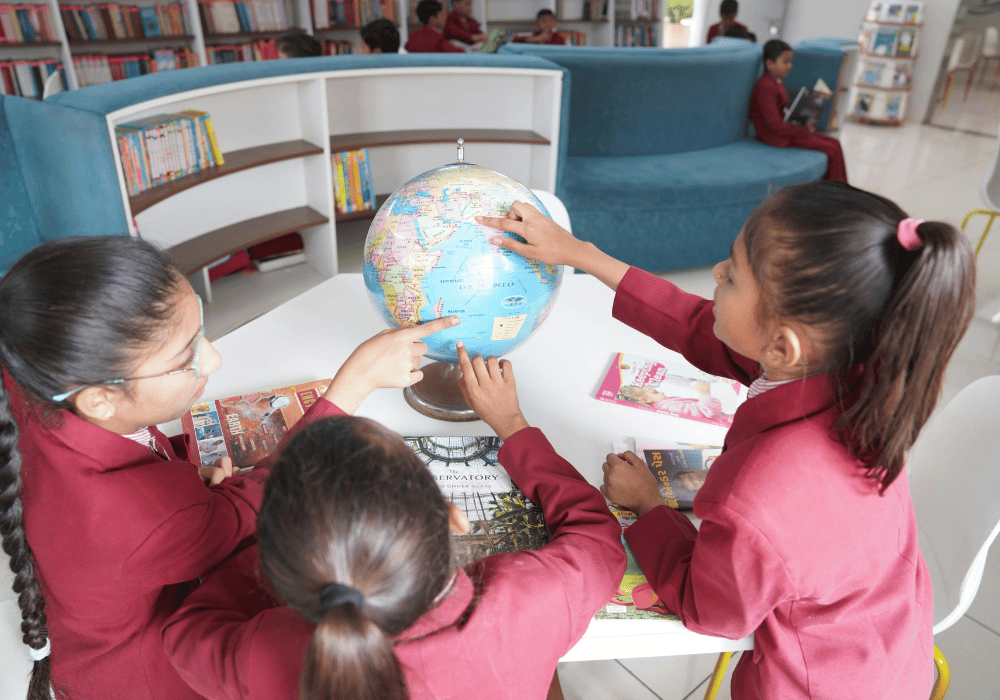
Singapore is widely regarded as one of the best expat family destinations globally, combining safety, infrastructure, excellent schooling, and an English-speaking environment.
- Schooling: One of the densest concentrations of international schools in Asia, covering the IB, British, American, and other curricula. Application timelines are long for popular schools: begin the process as early as possible.
- Healthcare: Excellent public and private healthcare. English-language medical care is the norm. Specialist paediatric services are highly developed.
- Safety: Consistently among the safest countries in the world for residents and visitors.
- Family environment: Clean, well-organised, and genuinely child-friendly infrastructure. Strong expat family community. Significant outdoor recreational options despite the city-state’s size.
- Considerations: Cost: international school fees and housing costs are both high. The tropical climate requires genuine adjustment, particularly for families from cooler climates.
Work permits for Singapore: A guide for international employees
The Netherlands
The Netherlands offers a family environment that is difficult to match in Europe: exceptional safety, world-class schooling, cycling culture that is genuinely suited to family life, and English proficiency that makes daily life immediately accessible.
- Schooling: Strong international school provision in Amsterdam, The Hague, and Rotterdam. The Dutch national school system is also highly regarded, and some expat families choose local schooling for the deeper cultural integration it provides.
- Healthcare: Universal healthcare system with good access. Private health insurance supplements the public system for international residents.
- Safety: One of the safest countries in Europe for families.
- Family environment: The cycling infrastructure is exceptional and used by families as a primary mode of transport. Amsterdam and The Hague both have large, well-established expat family communities.
- Considerations: Housing in Amsterdam is in extremely high demand. The 30 percent tax ruling provides a financial advantage for qualifying expats.
Work permits for the Netherlands: A guide for international employees
Canada
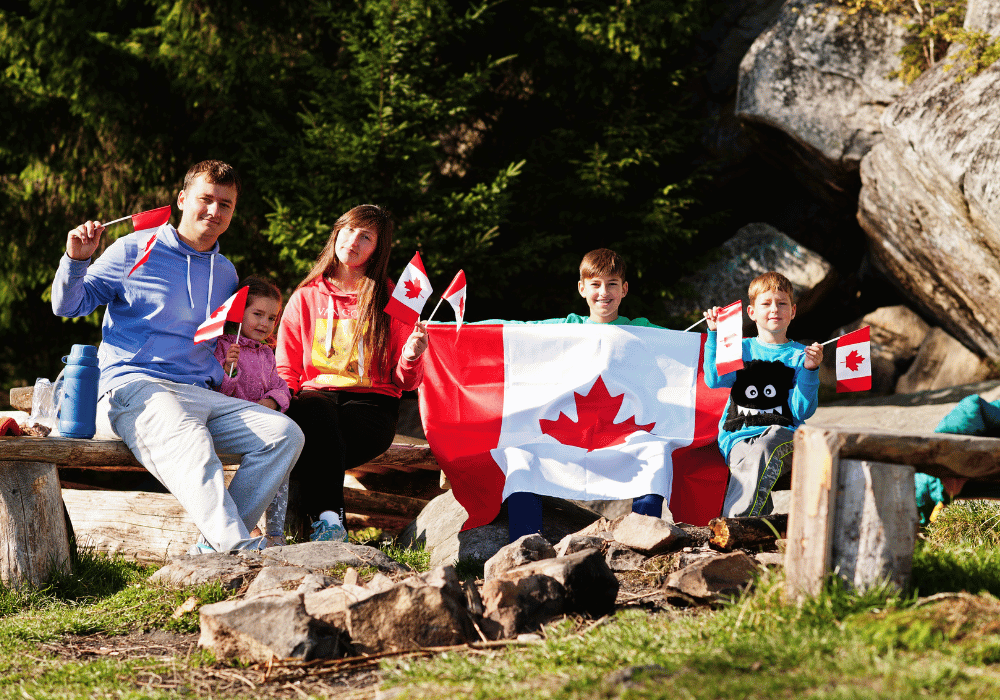
Canada combines a welcoming multicultural environment with strong public services, excellent schooling, and one of the most accessible immigration systems for family units.
- Schooling: Free public schooling is available to children of work permit holders in most provinces. The standard is high. International schools are also available in major cities for families seeking curriculum continuity.
- Healthcare: Provincial healthcare systems provide publicly funded access for residents, though the scope and wait times vary by province. International health insurance is advisable to supplement public provision, particularly for specialist care.
- Safety: Among the safest countries globally, with consistently low violent crime rates.
- Family environment: Genuinely multicultural cities with strong community infrastructure. Outdoor lifestyle with significant nature and recreational access. Winter climate requires serious preparation, particularly for families from warmer climates.
- Considerations: Cost of living in Toronto and Vancouver is high. Other cities offer significantly better value.
Work permits for Canada: A guide for international employees
Germany
Germany offers stability, comprehensive public services, and an education system that provides access to one of Europe’s strongest economies. It is a less immediately obvious family destination than Singapore or the Netherlands, but its practical foundations are excellent.
- Schooling: International schools are available in Frankfurt, Munich, Berlin, and Hamburg. The German public school system is free to children of work permit holders. The language of instruction in public schools is German, which requires a language adjustment commitment.
- Healthcare: Comprehensive public healthcare through the statutory health insurance system, with private insurance providing supplementary access and shorter waiting times.
- Safety: One of the safer major economies for families.
- Family environment: Strong public infrastructure, extensive parks and recreational facilities, and a culture that is genuinely oriented towards family life.
- Considerations: German language acquisition is important for full social integration outside professional environments, particularly for children attending local schools.
Work permits for Germany: A guide for international employees
Australia
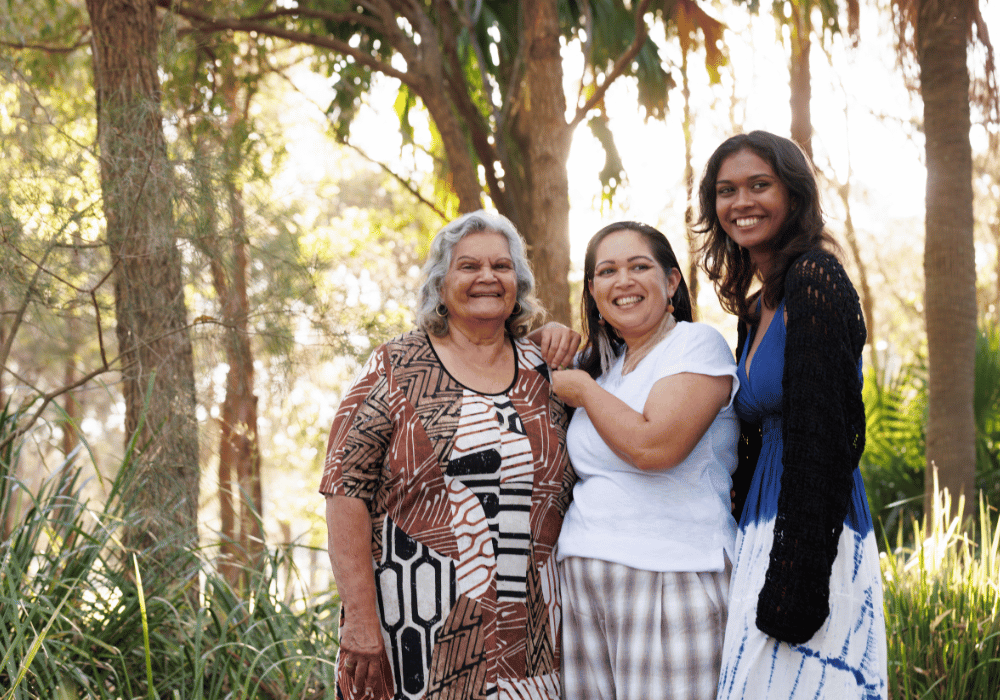
Australia’s combination of English language, outdoor lifestyle, strong public services, and political stability makes it a popular family relocation destination, particularly for families from the UK and other English-speaking countries.
- Schooling: Public schooling is available to children of visa holders in most states, with quality varying by state and area. International and independent schools are widely available. School fees for private schooling are significant.
- Healthcare: Medicare provides public healthcare access, with availability to foreign nationals depending on visa type and bilateral health agreements. International health insurance is advisable in most cases.
- Safety: Low violent crime rates in most cities and regions.
- Family environment: Strong outdoor lifestyle culture, extensive recreational infrastructure, and a genuinely family-oriented social environment in most cities and suburbs.
- Considerations: Distance from Europe and Asia is significant for families with strong ties to the home country. The cost of living in Sydney and Melbourne is high.
Work permits for Australia: A guide for international employees
For HR and mobility teams managing family relocations, MovePlus coordinates every element of the move through our relocation service coordination offering from school search and dependent visa coordination to destination services and settling-in support. Get in touch to discuss how MovePlus can support your next family relocation.”
Frequently asked questions
1. What should I do about schooling when relocating internationally with children?
Start the school search process as early as possible, ideally six months before the planned move date for popular destinations. Research the available curricula and choose based on the child’s current stage and where the family is likely to be after the assignment. For corporate assignees, confirm whether the relocation package includes a school search service through the destination services provider.
2. Should my children attend an international school or a local school abroad?
Both approaches have genuine advantages. International schools provide curriculum continuity and an immediate peer community of children in similar circumstances. Local schools provide deeper cultural and language integration and can be a faster route to social connection in the destination country. The right choice depends on the duration of the assignment, the child’s age, and the family’s language situation.
3. How do dependent visas work for children?
Each child requires their own dependent visa application, processed by the immigration lawyer alongside the primary work permit. Eligibility depends on the destination country’s rules. Documentary requirements typically include a birth certificate and a valid passport. Processing times mirror those of the primary work visa. or a full breakdown of how dependent visa applications work across jurisdictions, see our guide on what happens to your dependent’s visa when you relocate for work.
4. Which country is safest for expat families?
Singapore, Canada, the Netherlands, Germany, and Australia all consistently rank among the safest countries globally. The concept of safety encompasses personal security, political stability, and road safety, all of which are strong in these destinations. The UAE also scores highly on personal safety, though its political environment differs from Western democracies.
5. How do I support my children through the adjustment to a new country?
School placement as early as possible is the single most effective intervention for children’s adjustment. It provides routine, structure, and social connection simultaneously. Cultural orientation programmes for children are also available through some destination services providers and international schools. Acknowledging the difficulty of the adjustment openly with children, while providing reassurance and stability at home, significantly reduces the adjustment period.
MovePlus Research Desk
AuthorRecent Blogs
- Your relocation policy explained: What it typically covers and what to ask
- What relocation assistance means when it appears in a job advert
- Living in Malaysia as an expat in 2026: Visa rules, daily life and costs
- Living in Brazil as an expat in 2026: Culture, daily life and practical considerations
- Living in the Netherlands as an expat in 2026: Housing, daily life and what to expect
Ready to Transform Your Global Mobility Strategy?
Connect with our mobility experts to discuss how MOVEPLUS™ can streamline your international talent management and relocation processes.