Expat highlight: 7 fun facts about the Arabic language
Author: MovePlus Research Desk

As of 2025, expats make up 88.5% of the UAE’s total population. If you’re relocating for work, our work permits for the UAE guide covers everything you need to know about the visa and employment process. Arabic is not only central to life in the UAE but is also widely spoken across the Middle East and North Africa. Even if fluency isn’t your goal, learning a few interesting facts and everyday phrases in Arabic can make your experience richer, smoother, and far more meaningful.
Here’s a friendly spotlight on the language that connects millions across continents.
Fun Facts About Arabic That Expats Love:
- Arabic is one of the world’s most widely spoken languages.
Arabic is spoken across more than 20 countries, with over 400 million native speakers and many more who use it for cultural, religious, or professional purposes. Expats in countries such as the UAE, Saudi Arabia, Qatar, Egypt, and Morocco will encounter many different accents and dialects.
- It’s written right to left.
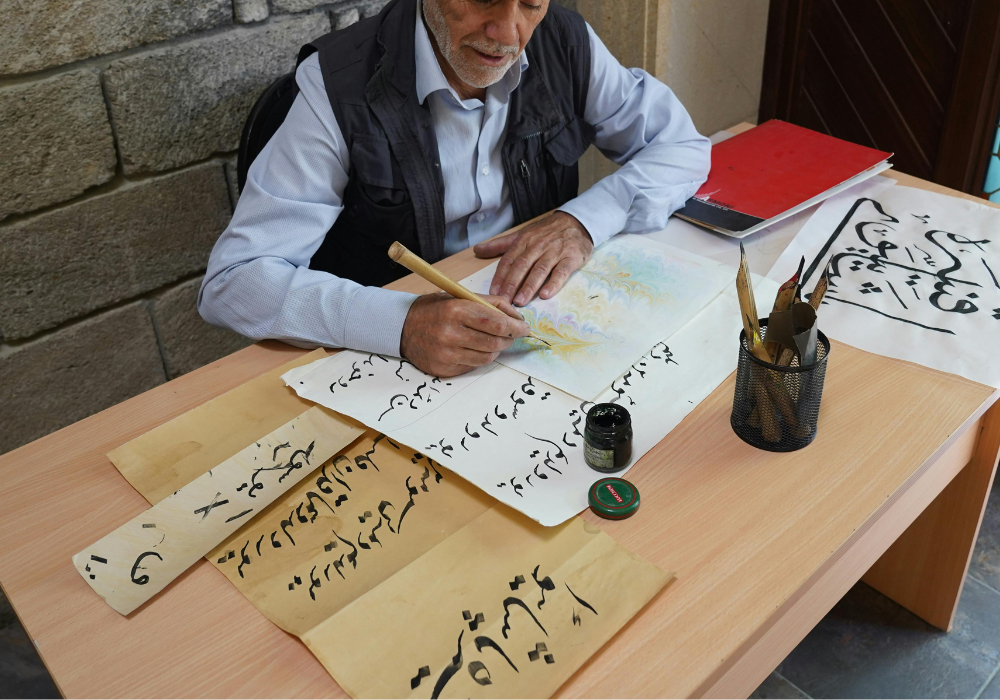
Arabic uses a flowing script written from right to left, making it visually distinct from English and most European languages. The alphabet has 28 letters, and each letter’s shape changes depending on its position in a word. There are no capital letters, and the writing style itself is considered an art form.
- Arabic has one of the richest vocabularies in the world.
The Arabic language contains more than 500 million words, making it one of the richest languages globally. New words and expressions are created every year, reflecting cultural, social, and technological changes across the Arab world.
- Arabic has influenced English more than you think.
Words like algebra, alcohol, coffee, cotton, sugar, and sofa have Arabic origins, showing just how far the language has traveled through history, science, and trade.
- Numbers and symbols play a cultural role too.
For many Muslims, the number 786 holds significance because the Arabic letters in the opening phrase of the Qur’an add up to this numerical value. Across Asia, numerology influences everyday choices while Chinese cultures consider even numbers lucky, Arab cultures often find symbolism in letter-and-number combinations.
- Arabish: When Arabic switches to English letters.
In digital communication, many bilingual speakers use Arabish (or “Arabic chat alphabet”) in writing. Arabic words using English letters and numbers. For example, the number 3 represents the Arabic letter ■ (■ayn) because it visually resembles a mirrored version of the letter. This writing style became popular when older devices couldn’t display Arabic script, and it remains widely used today.
- Classical Arabic & dialects make the language diverse.
Modern Standard Arabic is used in media, formal writing, and official communication, while daily conversations happen in regional dialects such as Egyptian, Levantine, Gulf, or Maghrebi Arabic.
Final thoughts from our global mobility desk
At MOVEPLUS™ Mobility, we believe language is a bridge and helps expats feel welcomed, connected, and more confident in their new communities. Arabic, with its history, warmth, and expressive script, offers a rewarding cultural experience for anyone relocating to the region. For a broader look at how organisations can support employees and their families through that transition, see our guide on Expat relocation: supporting employees and families abroad.
Whether through virtual lessons or in-person cultural training, we offer tailored language and cross-cultural programs that help assignees and expats settle in with confidence.
For HR and mobility teams supporting employees relocating to the UAE or wider Middle East, MovePlus manages every element of the move through our relocation service coordination offering from destination services and cultural training to settling-in support.
Get in touch to discuss how MovePlus can support your next relocation.
MovePlus Research Desk
AuthorReady to Transform Your Global Mobility Strategy?
Connect with our mobility experts to discuss how MOVEPLUS™ can streamline your international talent management and relocation processes.