Virginia labor law guide: Key considerations for employers in 2026
Author: MovePlus Research Desk

Virginia’s labor framework combines federal employment standards with a growing set of state-specific protections. While the state has traditionally favored limited regulation, recent legislative updates have expanded employee safeguards, particularly around wage transparency, anti-retaliation measures, worker classification, and final wage payments.
For a full overview of US labor law, read our USA Labor law guide: A strategic framework for HR & global mobility teams in 2026.
For organisations relocating or onboarding employees in Virginia, staying informed about these requirements helps support smooth transitions and consistent compliance practices.
Virginia labor laws: what employers need to know
Virginia labor laws are the state rules on minimum wage, overtime, breaks, leave, final pay and workplace postings that apply to anyone employing staff in Virginia. Where Virginia labor laws set a higher standard than federal law, employers must follow the rule that is more generous to the employee.
For HR and mobility teams, Virginia labor laws matter as soon as an employee relocates into the state or a new hire starts work there. Payroll settings, onboarding documents and required notices should be reviewed before the start date. Our US labor law guide for employers covers the federal baseline, and our labor law posters guide explains state and federal posting requirements.
Minimum wage in Virginia
Virginia operates under a state-level minimum wage, rather than relying solely on the federal rate.
Virginia Minimum Wage (2025) is $12.77 per hour.
The rate is scheduled to increase to $15.00 per hour, subject to legislative and budget approval.
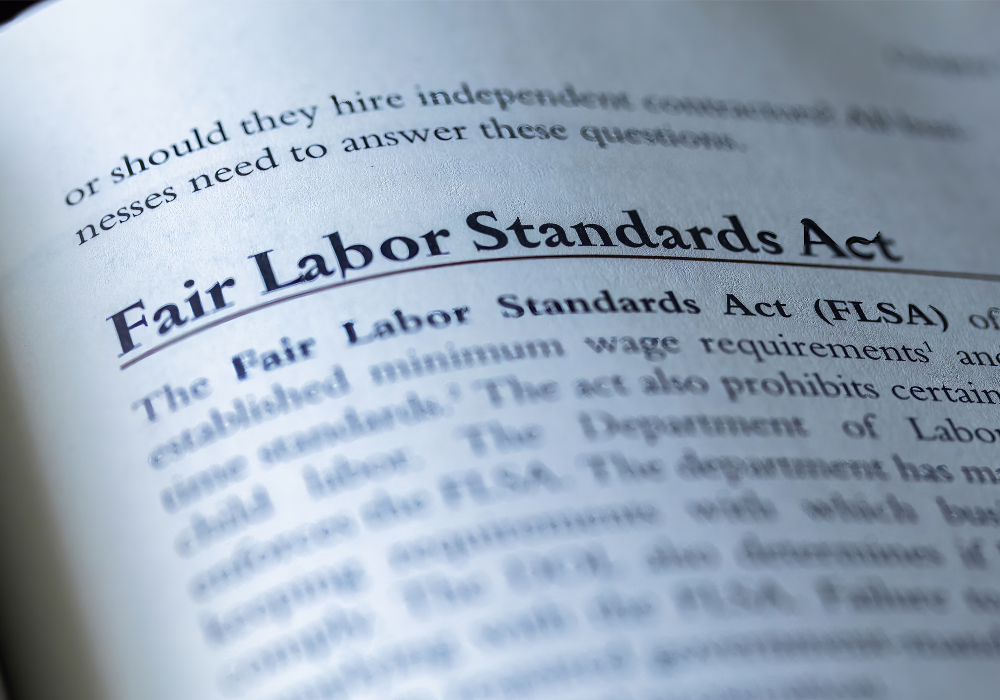
- Applies to most employees unless exempt under the federal Fair Labor Standards Act (FLSA)
- Tipped employees must receive at least the full minimum wage when tips are included
Meal and rest breaks
Virginia does not mandate meal or rest breaks for adult employees.
However, Minors under the age of 16 must receive a 30-minute meal break after working five consecutive hours
Many employers choose to offer breaks voluntarily as part of workplace wellness and safety practices.
Overtime requirements
Virginia follows federal FLSA overtime standards. Overtime pay is required at 1.5 times the regular rate for hours worked over 40 in a workweek.
Exemptions align with federal classifications, including executive, administrative, professional, outside sales, and highly compensated employees.
For a full breakdown of federal, state and OSHA posting requirements, see our Labor law posters 2026: State, Federal & OSHA compliance guide
Paid sick leave
Virginia does not currently require statewide paid sick leave. Exceptions include Certain home health workers, who are entitled to paid sick leave.
Many employers offer paid time off through internal policies or benefit programmes.
Final pay requirements
Virginia has clear guidelines on final wage payments:
- Final pay must be issued by the next regular payday following separation
- All earned wages must be included, including commissions when they are calculable
Employers may not withhold final wages for unreturned equipment unless the employee has provided written authorisation.
Termination and at-will employment
Virginia is an at-will employment state, allowing either party to end employment at any time.
Employers are still expected to comply with:
- Anti-retaliation requirements
- Anti-discrimination protections under the Virginia Human Rights Act
- Whistleblower safeguards
- Wage payment and recordkeeping standards
Written termination notices are not required, though accurate wage documentation remains essential.
Independent contractor classification
Virginia places strong emphasis on proper worker classification.
Key considerations:
- Workers are generally presumed to be employees unless the employer can demonstrate independent contractor status using IRS guidelines
Potential outcomes of misclassification may include:
- Civil penalties
- Contracting restrictions with the state
- Liability for unpaid wages and tax obligations
Employees cannot be required to waive statutory rights through signed agreements.
Workers’ compensation coverage
Most Virginia employers with three or more employees are required to carry workers’ compensation insurance.
Coverage typically includes:
- Workplace injuries
- Occupational illnesses
- Medical expenses
- Lost wage benefits
When structuring compensation for international assignees, organisations should consider compliance across jurisdictions by aligning salary frameworks with the prevailing wage requirements of the worksite location, rather than relying on home country or headquarters benchmarks.
Our MOVEPLUS™ Platform centralizes mobility information, documents decisions, and supports coordination with specialist legal, tax, and immigration partners as requirements change by location and move type.
For organisations managing relocations across multiple states, our consultancy services team supports the design of compliant, location-specific mobility frameworks.
Get in touch to discuss how MOVEPLUS™ can support your Virginia compliance posture and broader US mobility strategy.
MovePlus Research Desk
AuthorRecent Blogs
- Moving companies vs a relocation management company: What does your business need?
- Short-term vs long-term assignments: What the difference means for your relocation support
- Expat assignments: A guide for HR and employers
- Insurance for expats: Which one to get?
- Florida labor law guide for HR & mobility teams in 2026
Ready to Transform Your Global Mobility Strategy?
Connect with our mobility experts to discuss how MOVEPLUS™ can streamline your international talent management and relocation processes.