Living in Singapore as an expat in 2026: What relocating employees and families need to know
Author: MovePlus Research Desk

Living in Singapore follows a short and largely employer-led sequence. Your work pass, your identity card, your bank account, your tenancy and your health cover arrive in that order, and the pass is applied for by your employer rather than by you. Where people diverge is settling in, and a family adds school admissions and housing costs to the list. This guide sets out each step in the order you will meet it, with separate settling-in advice for individuals and for families.
Living in Singapore in 2026: what to expect
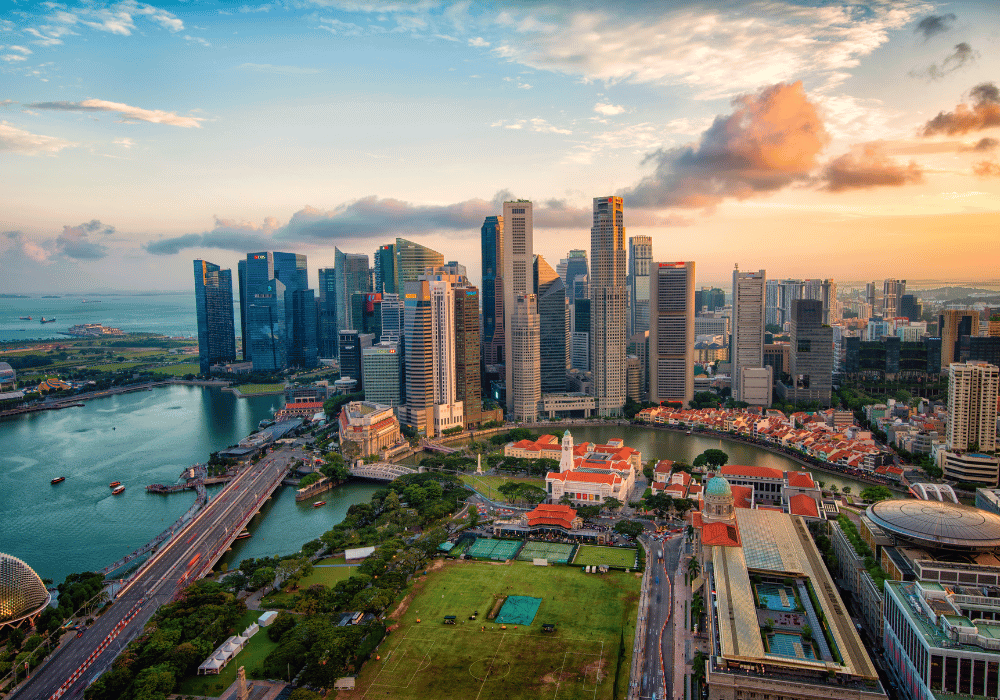
Singapore is the regional headquarters location for a large share of multinational employers across Asia, and English is the working language of government, business and schooling, which makes the practical setup faster than almost anywhere in the region. Processes are digital, predictable and quick, with work passes often issued in days rather than weeks.
For everything to organise before and after the move in a structured, phase-by-phase format, see our expat checklist.
Work passes for Singapore
A work pass is your legal basis to work in Singapore, and the employer applies through the Ministry of Manpower rather than the candidate applying independently. Employment Pass applications are assessed both against a qualifying salary and against the COMPASS points framework, which scores salary benchmarking, qualifications, nationality diversity and the employer record on local hiring, with forty points needed to pass. An immigration lawyer confirms the category and prepares the filing.
| Pass | Who it is for and what to know |
|---|---|
| Employment Pass | The main route for professionals, managers and executives. In 2026 the qualifying salary is 5,600 Singapore dollars a month in most sectors and 6,200 in financial services, rising with age. Applicants must also score forty points under COMPASS. |
| S Pass | For mid-level skilled staff, subject to a company quota and a monthly levy. From July 2026 the qualifying salary is 3,600 Singapore dollars a month in most sectors and 4,000 in financial services, also rising with age. |
| Overseas Networks and Expertise Pass | A five-year personalised pass for senior talent earning at least 30,000 Singapore dollars a month, or with outstanding achievement in defined fields. It allows the holder to work for more than one employer. |
| Dependant Pass | For a spouse and children under twenty-one of a pass holder earning at least 6,000 Singapore dollars a month. A Dependant Pass holder who wants to work needs their own work pass rather than a letter of consent. |
| Long Term Visit Pass | For parents, common-law spouses, stepchildren and disabled children of higher-earning pass holders, with parents generally requiring a sponsor salary of at least 12,000 Singapore dollars a month. |
Budget 2026 raises the Employment Pass qualifying salary to 6,000 Singapore dollars, and 6,600 in financial services, for new applications from January 2027. For a detailed breakdown of each pass category, eligibility requirements and application timelines, see our work permits for Singapore guide.
Identity card, banking and setting up
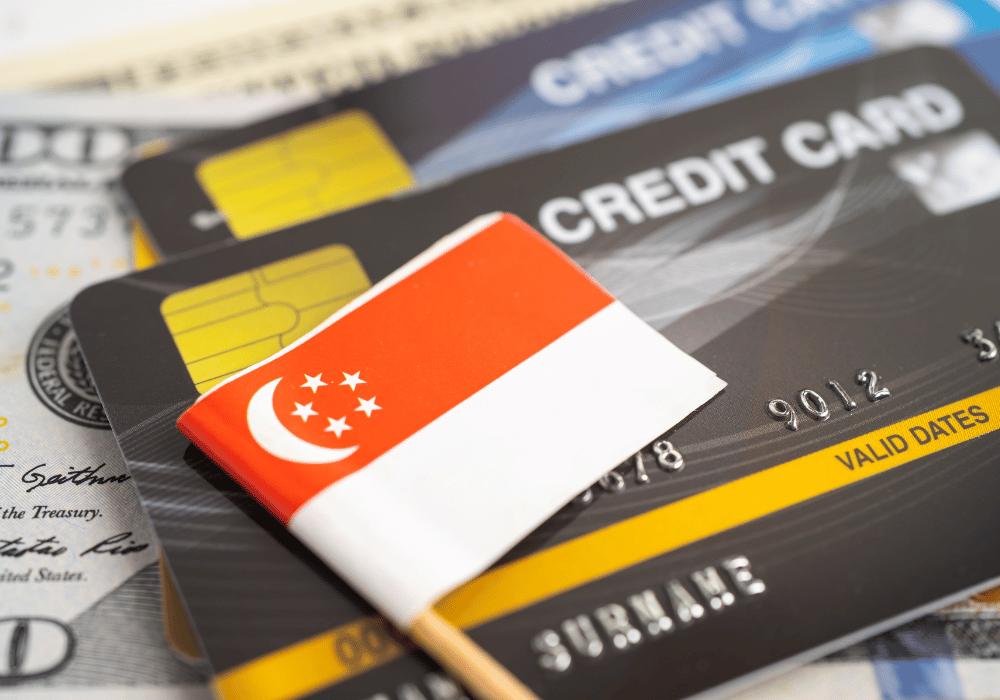
Once your pass is approved in principle you travel to Singapore, complete registration and fingerprinting, and receive your pass card, which carries your Foreign Identification Number and is the document daily life asks for. Opening a bank account is quick with your passport, pass card and an employer letter, and most banking, government and payment services then run through Singpass, the national digital identity.
Finding somewhere to live in Singapore
Housing is the largest item in almost every Singapore budget, and the market divides between private condominiums, which any pass holder may rent, and public housing flats, which carry additional eligibility and quota conditions. Leases usually run for one or two years with a diplomatic clause allowing early termination after the first twelve months, and the minimum tenancy for a private property is three months. Budget for a deposit of one to two months of rent, an agent fee where applicable and stamp duty on the tenancy, which the tenant normally pays.
Healthcare and insurance in Singapore
Singapore has one of the strongest healthcare systems in Asia, with a public sector of polyclinics and restructured hospitals alongside an extensive private sector. Work pass holders and their dependants are not eligible for the subsidies available to citizens and permanent residents, so private medical insurance provided by the employer is what makes healthcare affordable in practice.
For a broader guide to the full range of insurance products expats need when living abroad, see our guide on insurance for expats.
Understanding Singapore tax basics
Tax residency in Singapore is determined by physical presence, with 183 days in a calendar year the principal test, and residents are taxed at progressive rates that remain low by international comparison. Non-residents are taxed differently on employment income, which is why a short first year can produce an unexpected outcome. Tax is not withheld monthly from salary in most cases, so the annual bill arrives as a single assessment and needs to be set aside through the year. A tax adviser advises on residency and on tax clearance before departure, which the employer is obliged to seek.
For a detailed guide on how expatriate tax compliance works across jurisdictions, see our expatriate tax compliance guide.
Cost of living in Singapore in 2026

Cost of living in Singapore is driven by housing, schooling and car ownership, while food, transport and healthcare in the public system remain reasonable. Mercer, ECA International and AIRINC publish cost of living research that mobility teams use to compare locations, and the ranges below are indicative for 2026.
| Cost area | Indicative monthly range in 2026 |
|---|---|
| Rent, one-bedroom condominium | Around 2,800 to 4,500 Singapore dollars, higher in the central districts |
| Rent, three-bedroom condominium | Around 5,000 to 9,500 Singapore dollars in central and city-fringe areas |
| Rent, four-room public housing flat | Around 3,100 to 4,200 Singapore dollars depending on the town |
| Groceries and eating out, single person | Around 800 to 1,500 Singapore dollars, with hawker centres well below restaurants |
| Transport | Public transport is inexpensive and extensive, while car ownership is among the costliest in the world |
Culture and daily life in Singapore
Singapore is a multicultural society with Chinese, Malay, Indian and Eurasian communities, four official languages and a public calendar that reflects several religious traditions, including Chinese New Year, Hari Raya, Deepavali and Christmas. English is the language of work, schooling and administration, so daily life is accessible from the first day. Working culture is efficient and comparatively formal in structure, with clear reporting lines and a strong emphasis on punctuality and follow-through.
Malay is one of Singapore’s four official languages and widely spoken across the region. Our Indonesian and Malay language guide covers both languages for expat professionals. For professionals looking to engage more deeply with Singapore’s Chinese-speaking community, our Mandarin language guide for expats covers what to expect as a learner.
Settling in as an individual
Settling in alone in Singapore is among the easiest moves in the region, helped by English, safety, excellent transport and a large international professional community. City-fringe districts such as Tiong Bahru, Queenstown and the East Coast balance access with value, while the central districts around Orchard and Marina Bay suit those prioritising a short commute over space.
For a full breakdown of how international household goods moves work from pre-move survey to customs clearance and delivery, see our guide on moving household goods internationally. For more on the mental health dimension of international assignments and what organisations should be providing, see our guide on expat mental health during international assignments.
Settling in as a family
Settling in as a family centres on school admissions, and this is the decision that shapes both budget and location. International schools are plentiful and follow International Baccalaureate, British, American, Australian and other curricula, fees are among the highest in the world, and places at established schools are limited, so applications should begin as soon as the assignment is confirmed. Places in local schools are prioritised for citizens and permanent residents, and foreign students generally enter through a centralised admissions exercise.
For a full breakdown of how dependent visa applications work and what rights family members hold in the host country, see our guide on what happens to your dependent’s visa when you relocate for work.
Moving to Singapore as a company assignee

Where an employer relocates you to Singapore, most of the steps in this guide are coordinated rather than left to you to arrange alone. Companies commonly work with a relocation management company that brings together the immigration lawyer, the tax adviser, the destination services provider and the household goods provider, so that your work pass, housing, school applications and shipment connect in the right order. The MOVEPLUS™ platform gives the mobility team a single view of key dates, documents and approvals through our relocation service coordination and the MOVEPLUS™ dashboard shows where each step sits at any point, which matters where COMPASS is reassessed in full at every renewal and where a qualifying salary increase can affect an existing assignment.
Get in touch to find out how MovePlus can support your Singapore relocation.
Frequently asked questions
1. What is the minimum salary for a Singapore Employment Pass in 2026?
In 2026 the qualifying salary is 5,600 Singapore dollars a month in most sectors and 6,200 in financial services, rising with age. Applicants must also score at least forty points under the COMPASS framework. Budget 2026 announced increases to 6,000 and 6,600 for new applications from January 2027.
2. Can my spouse work in Singapore on a Dependant Pass?
A Dependant Pass holder who wants to take up employment needs their own work pass sponsored by a Singapore employer rather than a letter of consent. Career continuity is worth planning before departure, and an immigration lawyer can confirm the options for your situation.
3. Do work pass holders get subsidised healthcare in Singapore?
No. Subsidies at polyclinics and public hospitals are available to citizens and permanent residents rather than to work pass holders and their dependants. Employers are required to hold medical insurance for Employment Pass and S Pass holders, so confirm the cover level and whether it extends to dependants.
4. How much does it cost to live in Singapore in 2026?
Housing and schooling dominate the budget. A one-bedroom condominium ranges from around 2,800 to 4,500 Singapore dollars a month and a three-bedroom from around 5,000 to 9,500. Food and public transport are reasonable, while car ownership is among the costliest in the world.
MovePlus Research Desk
AuthorRecent Blogs
- Living in Singapore as an expat in 2026: What relocating employees and families need to know
- Living in Japan as an expat in 2026: Culture, daily life and what to prepare for
- Should you accept an international assignment? Questions to ask before you say yes
- Moving to the UAE from the UK: A 2026 guide for relocating employees
- Moving to Germany: A 2026 guide for relocating employees and expats
Ready to Transform Your Global Mobility Strategy?
Connect with our mobility experts to discuss how MOVEPLUS™ can streamline your international talent management and relocation processes.