Understanding your work visa as a sponsored employee
Author: MovePlus Research Desk
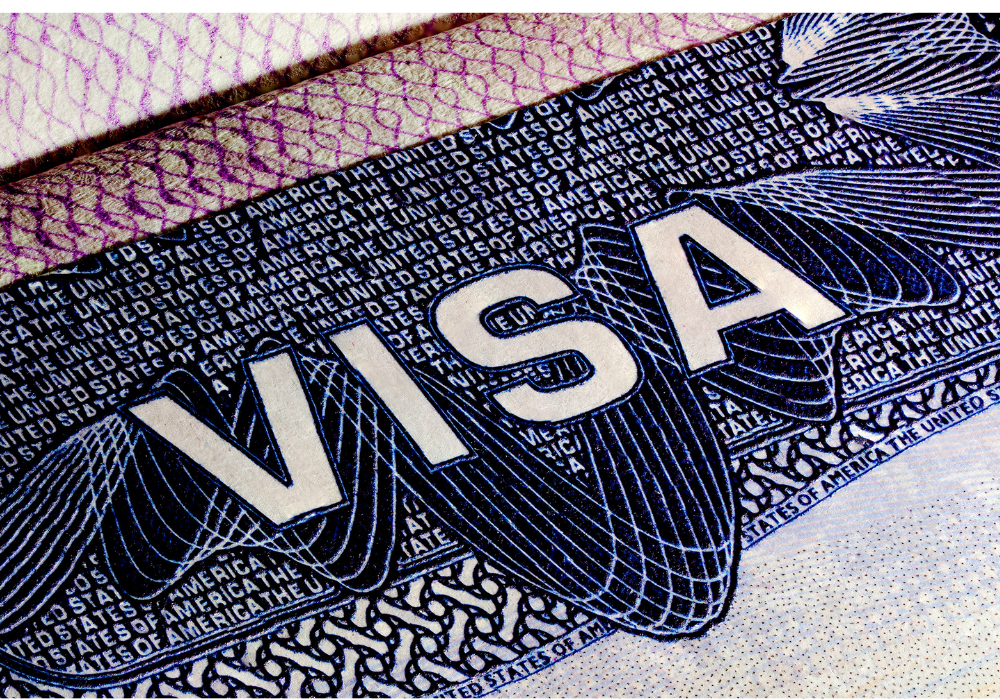
Working legally in a country other than your country of citizenship requires the appropriate work authorisation for that jurisdiction. For employees relocating as part of a corporate assignment, that authorisation is obtained through an employer-sponsored visa or work permit process, where the company acts as the legal sponsor for the employee’s right to work.
Understanding what employer sponsorship means in practice, what the application process involves, and what obligations arise during the assignment helps relocating employees engage with the process effectively and avoid the compliance risks that arise from misunderstanding the framework.
For a full walk-through of what to expect when your company moves you abroad, see the complete guide to international employee relocation.
What employer sponsorship means in practice

When an organisation sponsors an employee’s work visa, it is formally attesting to the host country’s immigration authority that the employee has a genuine role, that the organisation meets the conditions required to be a licensed sponsor, and that it accepts responsibility for the employee’s compliance with the terms of the work authorisation.
Sponsorship carries obligations for the employer as well as the employee. In many jurisdictions, the sponsoring organisation must hold a valid sponsor licence, maintain records of all sponsored employees, report certain changes in circumstances to the immigration authority, and ensure sponsored employees do not carry out work outside the terms of their visa.
The immigration lawyer engaged by the organisation manages the legal process of the application. Their role is to advise on the appropriate visa category, prepare and submit the application, and ensure the sponsoring organisation’s obligations are met throughout. The employee’s role in the process is to provide accurate documentation at the stages where it is required. Our corporate relocation checklist covers each phase of preparation in sequence.
For a comprehensive overview of how visa and work permit requirements apply across corporate mobility programmes, see our HR guide to visa and work permit requirements for corporate employees.
The visa application process: what the employee provides

The specific documents required vary by destination country and visa category, but the following are required across most employer-sponsored work visa applications.
- Valid passport. Most jurisdictions require a passport with a defined minimum validity period beyond the intended period of stay, commonly six months. Confirm this with the immigration lawyer at the outset, as an expiring passport can delay the application.
- Employment documentation. A letter from the employer confirming the role, the assignment duration, the salary, and the sponsoring entity. The immigration lawyer prepares the template and the employer provides the signed document.
- Educational and professional qualifications. Many skilled worker visa categories require evidence of qualifications relevant to the role. Copies of degree certificates, professional registrations, or licences may be required.
- Biometric enrolment. A growing number of jurisdictions require biometric data (fingerprints and photograph) as part of the visa application. This may require an in-person appointment at a visa application centre.
- Medical requirements. Some destinations require a medical examination or tuberculosis test as a condition of the visa application. The immigration lawyer will confirm whether this applies.
All documents must be accurate and consistent. Discrepancies between documents submitted at different stages of the application are a common cause of delay or refusal. If any personal circumstances change after the application is submitted (a change of passport, a change in marital status), inform the immigration lawyer immediately.
For a full breakdown of how dependent visa applications work, see our guide on what happens to your dependent’s visa when you relocate for work.
Common work visa categories for corporate assignees
The appropriate visa category is determined by the immigration lawyer based on the destination country, the nature of the work, and the assignment duration. The most common categories for employer-sponsored corporate assignees include the following.
- Skilled worker visa. The primary work permit route in many jurisdictions. Requires the role to meet a defined skills and salary threshold. The employer holds a sponsor licence and assigns a certificate or reference number to the employee’s application.
- Intracompany transfer (ICT) visa. Available in many countries for employees transferring within the same corporate group. Requires the employee to have worked for the organisation for a minimum qualifying period (commonly 12 months). The role must meet a seniority or specialist knowledge threshold.
- Short-term or business visitor frameworks. Available for limited activities in some jurisdictions without requiring a full work permit. Applicable only for specific activities such as attending meetings, training, or internal discussions. These do not permit substantive employment duties.
The immigration lawyer advises on which route applies in each case. The employee should not assume that a route used for a previous international role or a previous destination will apply again, as immigration categories differ significantly between jurisdictions.
Processing timelines and what affects them

Work visa processing timelines vary considerably by destination country, by the volume of applications being processed at any given time, and by the completeness and accuracy of the application submitted.
Many jurisdictions offer a priority or premium processing service for corporate applicants, which reduces standard processing times in exchange for an additional fee. The immigration lawyer will advise on whether this is available and recommended for your specific application.
Delays are most commonly caused by incomplete or inconsistent documentation, biometric appointment availability, and high application volumes at peak periods. The immigration lawyer monitors the application status and advises on any requests for additional information from the immigration authority.
The employee must not travel to the destination country to begin work until the appropriate authorisation is confirmed. This is a compliance obligation for both the employee and the employer.
For destination-specific breakdowns of the visa categories available, see our work permit guides for Germany, the Netherlands, France, the UAE, Japan, Canada, Australia, India, Brazil and Singapore.
Compliance obligations during the assignment
Work authorisation in most jurisdictions comes with conditions that must be observed for the duration of the assignment. These typically include the following.
- Scope of work. The visa authorises work for a specific employer and, in some jurisdictions, a specific role or site. Carrying out work for a different employer, in a different role, or at a location not covered by the visa may constitute a breach of conditions. For a detailed guide on how expatriate tax compliance works across jurisdictions, see our Expatriate tax compliance guide.
- Notification of changes. Changes in personal circumstances (change of name, change of passport, change in marital status) and changes in the employment situation (change of role, change of salary, change of work location) may need to be reported to the immigration authority. The immigration lawyer advises on what triggers a notification requirement.
- Visa renewal. Where the assignment extends beyond the initial visa validity period, a renewal application must be submitted before the current authorisation expires. The immigration lawyer advises on the renewal timeline and the documentation required. Our expat checklist covers everything to organise before and after the move in a structured format.
How MovePlus supports visa and immigration coordination
MovePlus coordinates with the immigration lawyer throughout the visa application and assignment lifecycle through the MOVEPLUS™ platform. Visa status, document milestones, expiry dates, and renewal timelines are tracked centrally, giving HR and mobility teams a real-time view of immigration compliance across their assignee population. For organisations looking to strengthen how immigration coordination is managed within their mobility programme, our consultancy services team works with HR and mobility leads to design frameworks that account for destination-specific requirements.
Get in touch MovePlus team to understand how immigration coordination is managed within the MOVEPLUS™ programme framework.
MovePlus Research Desk
AuthorRecent Blogs
Ready to Transform Your Global Mobility Strategy?
Connect with our mobility experts to discuss how MOVEPLUS™ can streamline your international talent management and relocation processes.